Case Study
Arkitektforeningen: The Chapel Retold
Client: Arkitektforeningen (Danish Association of Architects)
Format: Documentary film
Duration: 10 minutes
Location: Frederiksberg, Denmark
Scope: Story development, production, directing, cinematography, and post-production
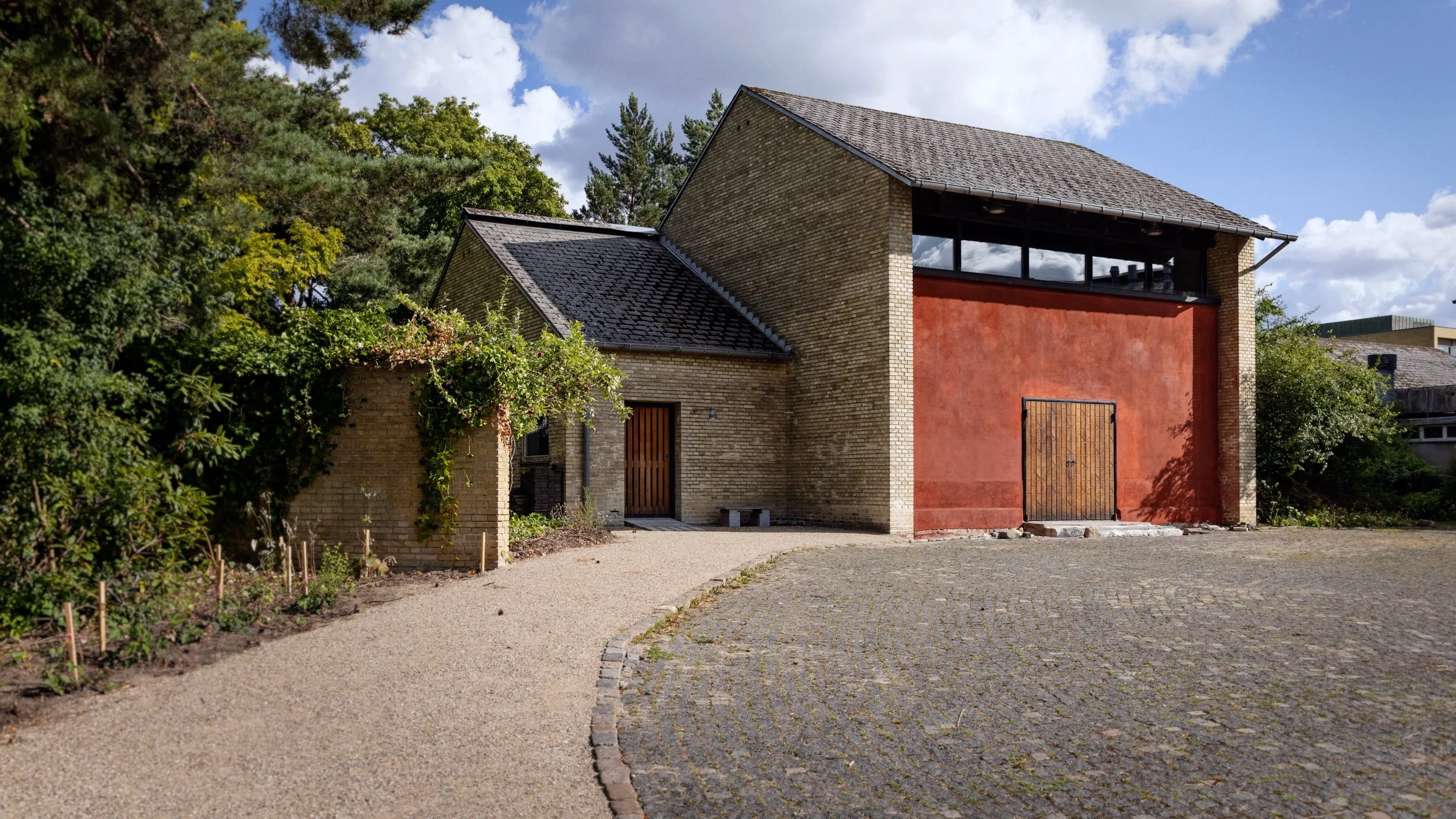
For more than 70 years, the chapel at Frederiksberg Hospital served a very specific purpose: providing a quiet setting for the final moments in life. But as plans were approved to decommission the hospital and redevelop the site as a new urban district, the chapel faced an uncertain future.
Rather than demolish or completely renovate it, the building became the focus of an experimental transformation project organized by Arkitektforeningen (Danish Association of Architects). Multidisciplinary teams were selected to explore how existing architecture could be preserved, adapted, and given new public life while using as little new material and generating as little waste as possible.
Arkitektforeningen knew they wanted a film that could communicate the ideas and process behind the project to a general audience, but needed help turning a complex set of architectural, sustainability, and creative ideas into a clear documentary story. We were brought in to develop the film and follow the transformation through to its completion.
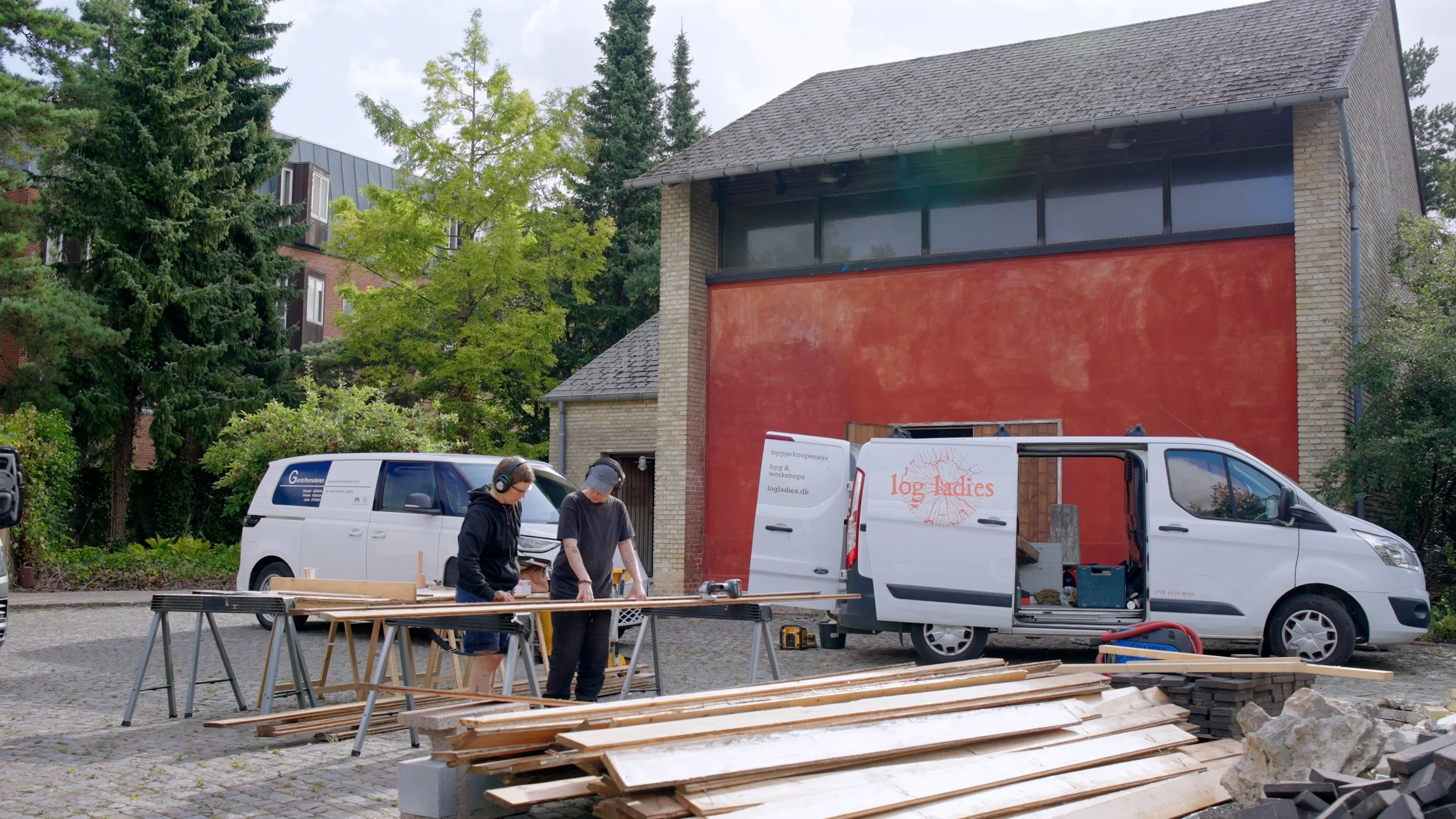
Arkitektforeningen: The Chapel Retold (10 min.)
Finding the Story
Arkitektforeningen came to the project with a strong set of ideas, but before settling on a format, we began by asking a more fundamental set of questions: What is the story? Who should tell it? And what should an audience understand and feel by the end of the film?
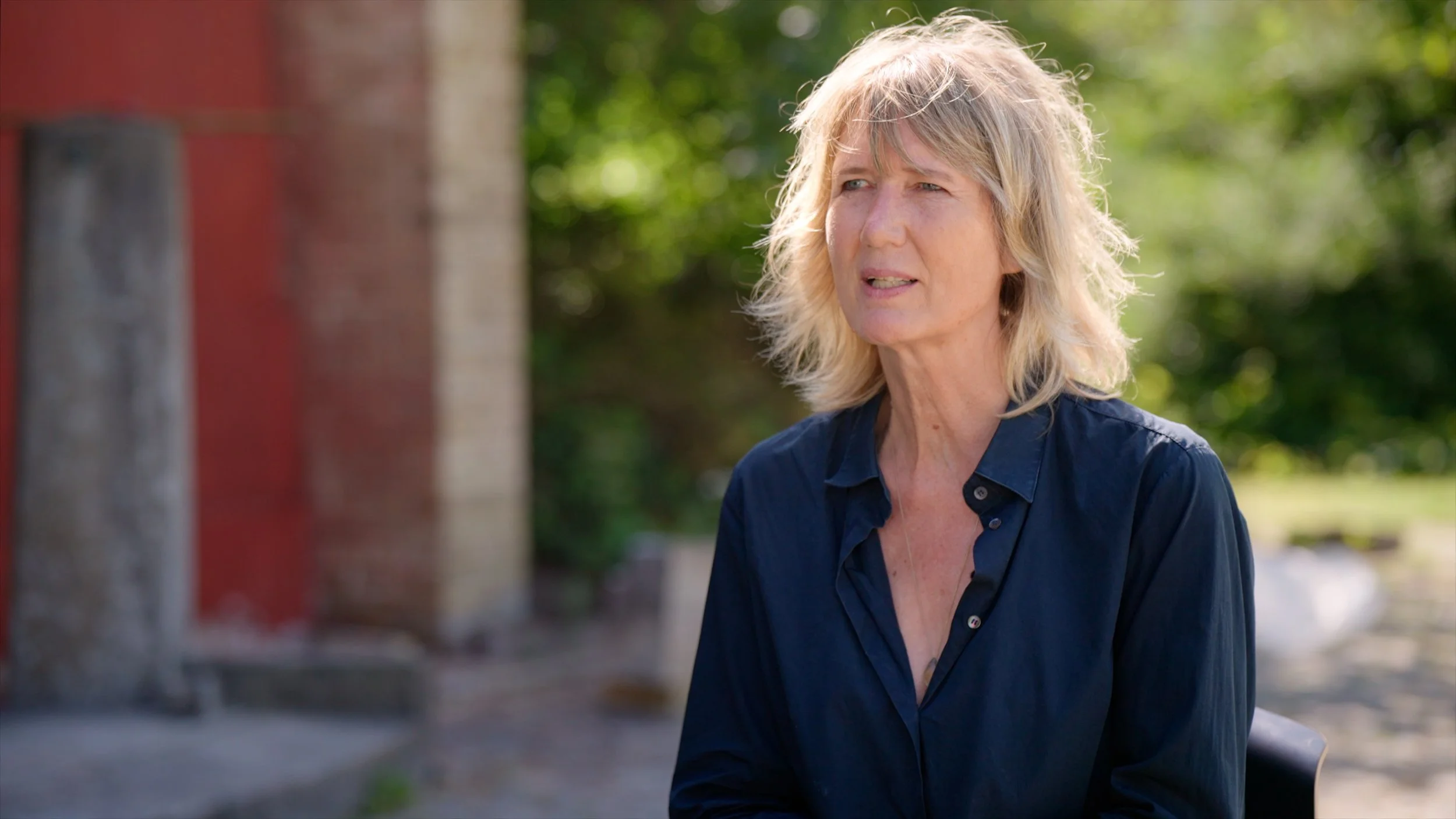
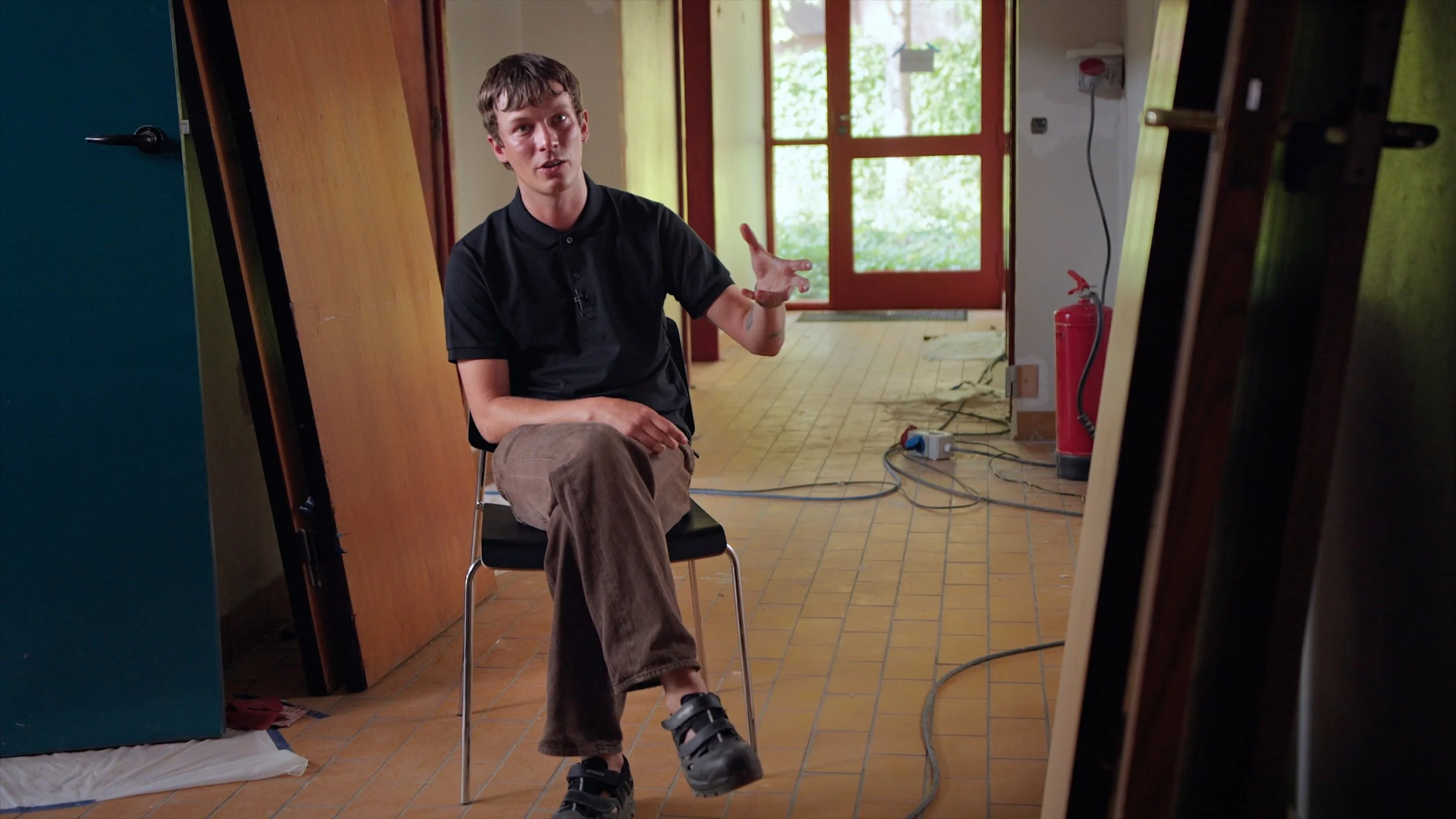
Through the pre-interviews, it became clear that the most engaging way into the project was through the people carrying it out. The chapel and its transformation remained at the center of the film, but the architects, artists, and consultants could give the project a human perspective, revealing not only what they were doing, but how the process was affecting the way they thought about preservation, sustainability, and the building itself.
That shift shaped the interview preparation. We developed questions that moved between the practical and the personal: how the participants first experienced the chapel, what they believed was worth preserving, how their ideas evolved, and what they hoped others might learn from the project. This gave the film room to explain the transformation while also revealing the values and emotions behind the decisions.
Following the Transformation
The film needed to show the transformation as a process rather than simply present a finished result. Over roughly two months, we returned to the chapel repeatedly, coordinating with the project teams around key moments as the work progressed.
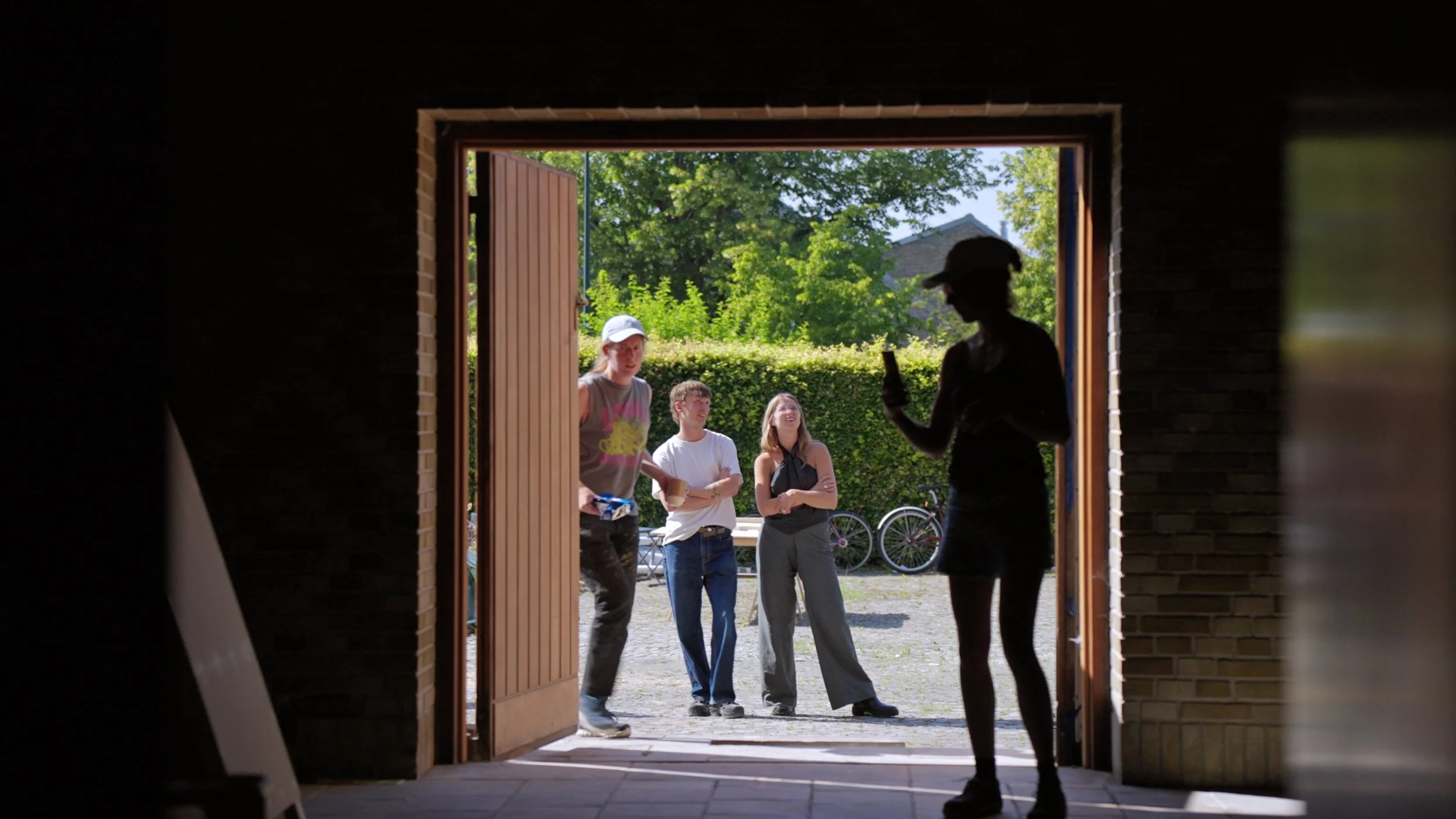
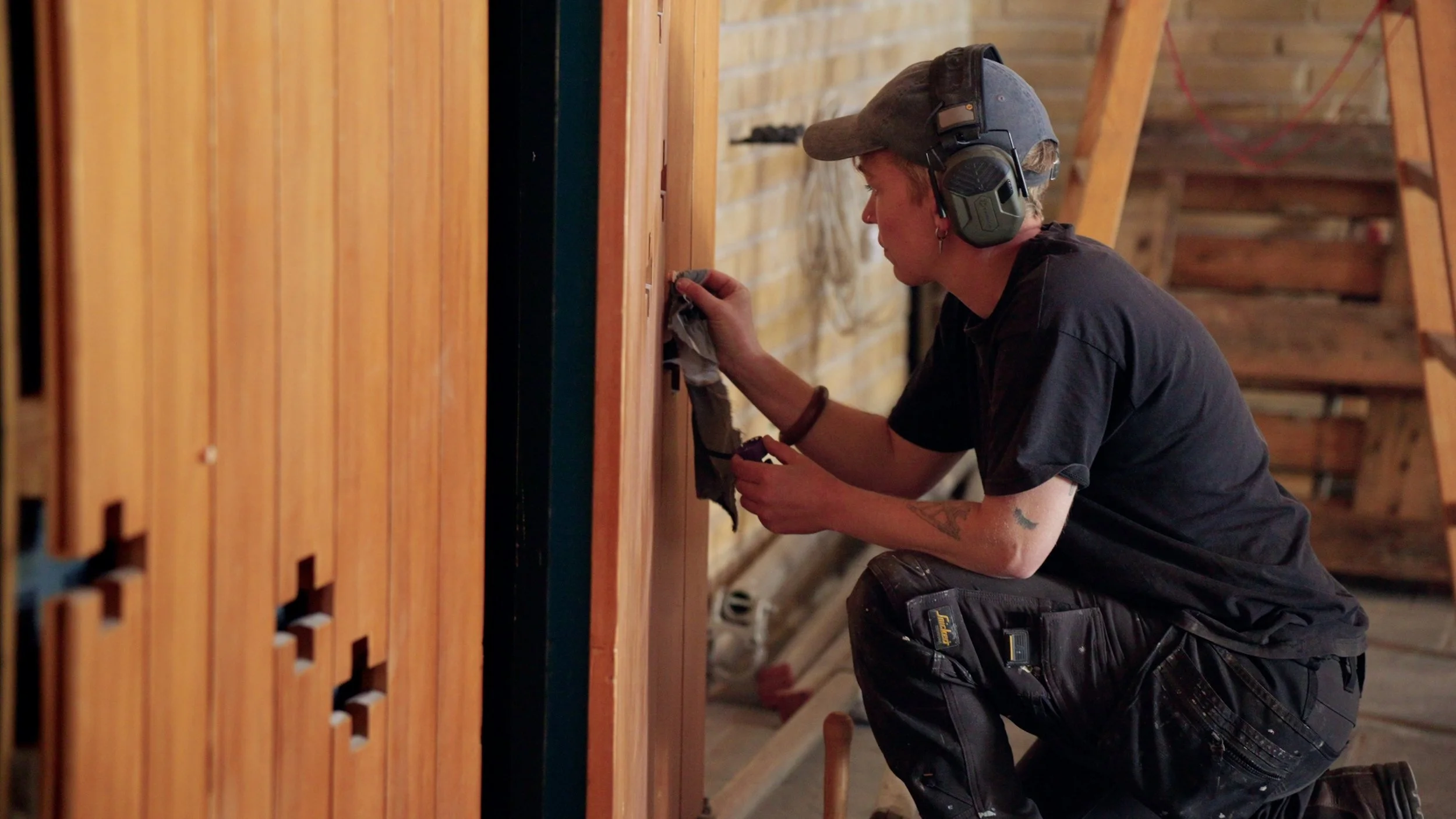
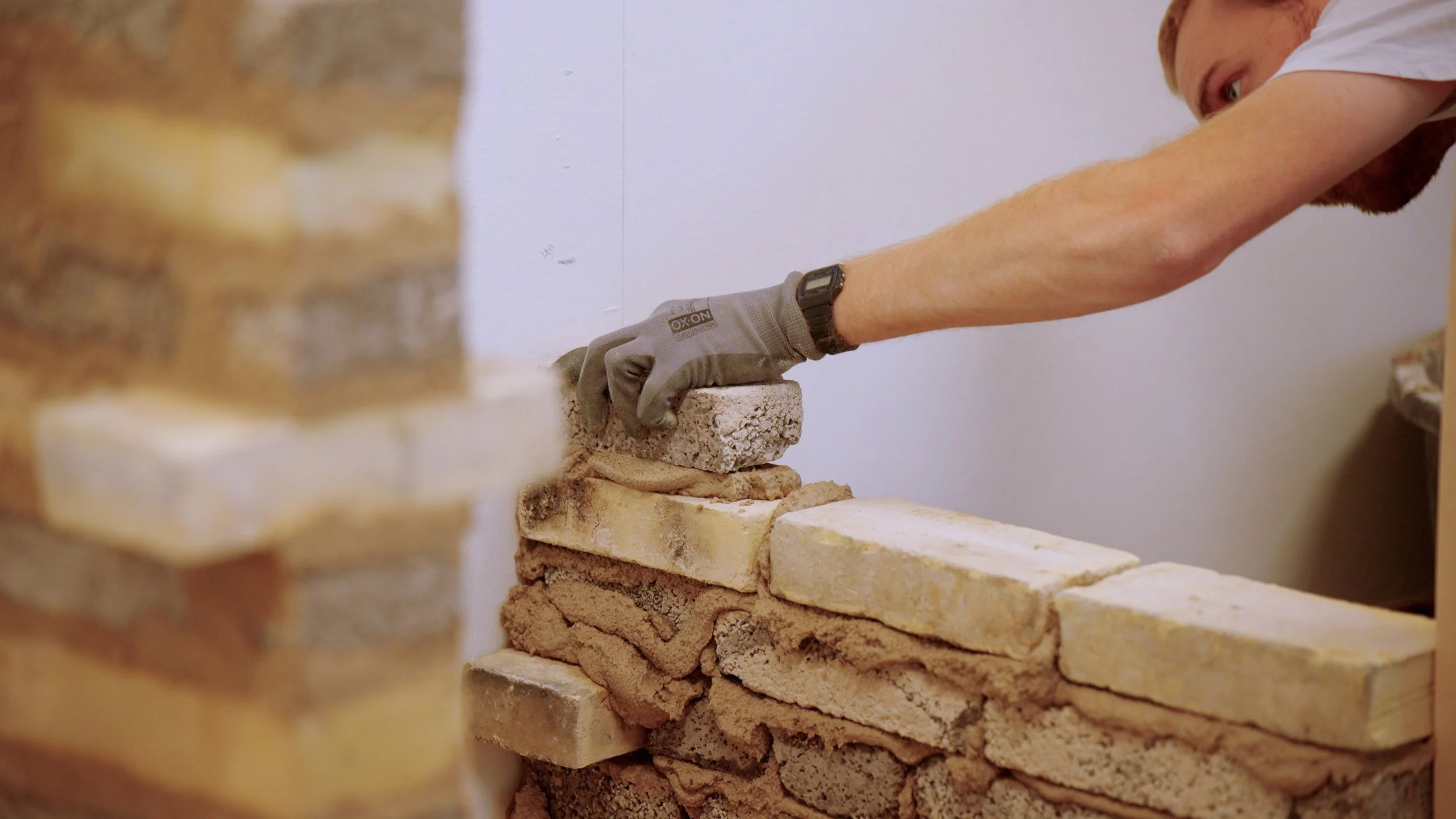
Because the work itself was part of the story, our job was to be present without getting in its way. Working with a small, lightweight production setup allowed us to move through the chapel with minimal disruption, observing the teams as they worked and capturing the transformation as it unfolded: materials being removed and reused, spaces taking on new functions, and decisions being made about what should be preserved, adapted, or left untouched.
Returning throughout the transformation also gave the people involved time to become comfortable with the camera. What began as a relatively unfamiliar presence gradually became part of the rhythm of the project, allowing more natural moments and interactions to emerge as the work continued.
Making the Ideas Accessible
The film was created primarily for a two-month public exhibition of the completed chapel, where it would be seen by a broad audience, many of whom would have little or no architectural background. That meant the film needed to make a complex transformation understandable without assuming specialist knowledge.
The project brought together multiple disciplines, perspectives, and interconnected ideas that could easily become technical or abstract. Rather than trying to explain everything, we focused on giving audiences a clear way into the subject through the experiences of the people involved and the transformation unfolding on screen.
The goal was not to simplify the subject, but to make its complexity accessible. By grounding abstract ideas in real decisions, materials, spaces, and personal reflections, the film could give audiences enough context to understand not only what was changing, but why those choices mattered.
A New Life
The transformation did more than preserve the chapel. It opened up a building once defined by a single purpose to a future with many possibilities, while serving as a test case for how far an existing structure could be adapted through careful, minimal intervention rather than replacement.
In the film, as in reality, the people carrying out the transformation became part of the chapel’s story. Their decisions, reflections, and hopes became the way we understood not only how the building was changing, but what that change meant. By the end, the story is not simply about a transformed space, but about the people who helped shape what the chapel could become next.
“They understood the scope very quickly, came up with good ideas, and delivered a high-quality product on time. We had a very good collaboration with the company and we would recommend them anytime.”
Read the full review on Clutch.
Explore another case study