Case Study
Citizens of the World: Heart Smart
Client: Citizens of the World - Silverlake
Format: Documentary film
Duration: 3 minutes
Location: Los Angeles, California
Scope: Concept development, production, directing, interviews, cinematography, and post-production
Citizens of the World Charter School (CWC) was founded around two central ideas: project-based learning and a strong social-emotional curriculum. As its first school in the Silverlake neighborhood of Los Angeles began to grow, CWC wanted a film that could introduce its approach to prospective parents and funders and give them a sense of what made the school different.
Rather than explain that philosophy through administrators, teachers, or parents, we proposed telling the entire story through the people at the center of it: the students. The result was Heart Smart, a short, playful documentary built from the experiences and personalities of the children themselves.
Citizens of the World: Heart Smart (3 min.)
Through Their Eyes
We wanted the students to do more than appear in the film. We wanted them to lead it.
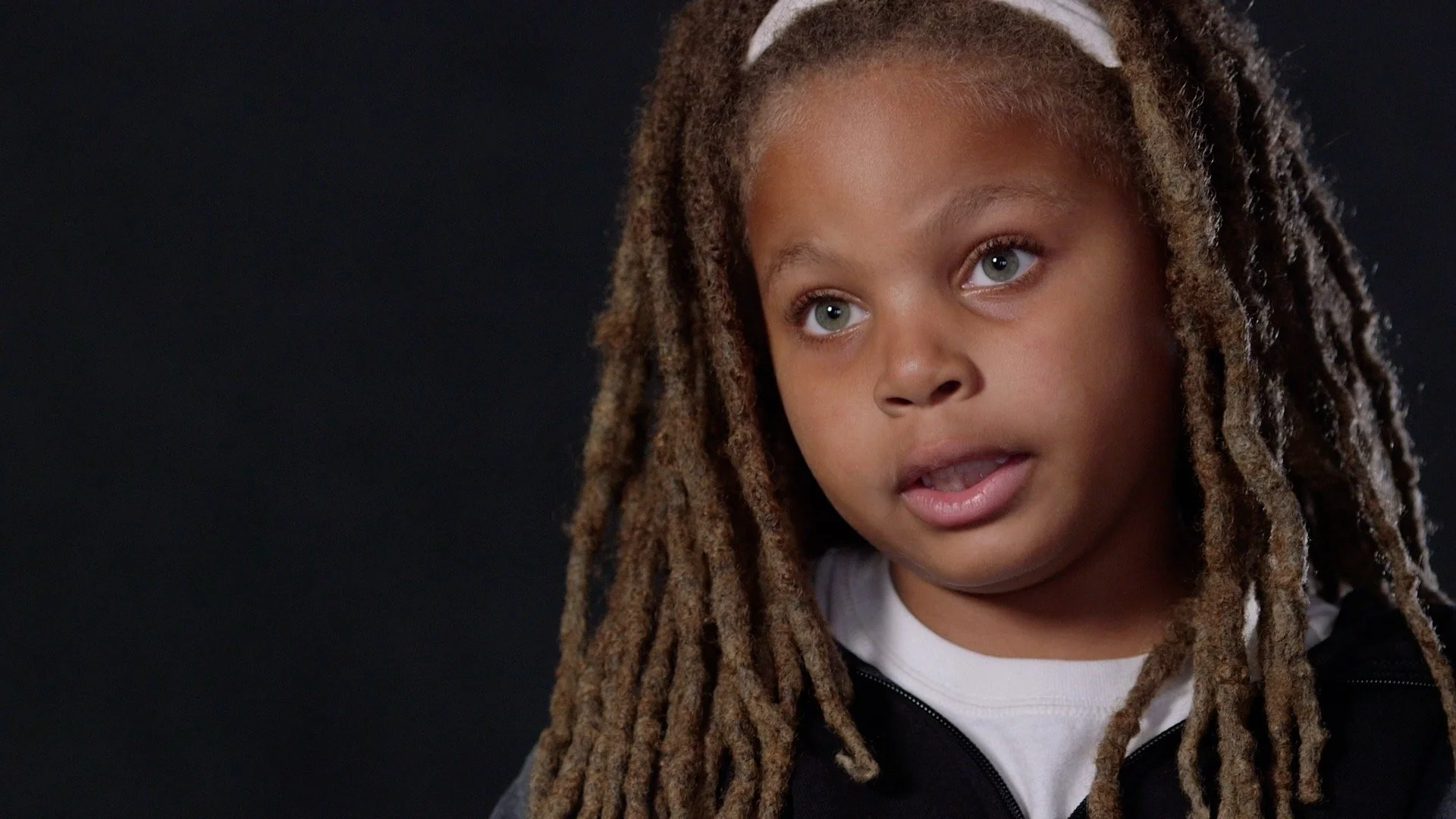
Through open-ended interviews, they talk about what they enjoy at school, how they learn, the projects and clubs they take part in, and the different ways people understand the world around them. Gradually, those everyday observations open into larger ideas about individuality, culture, conflict, kindness, and community.
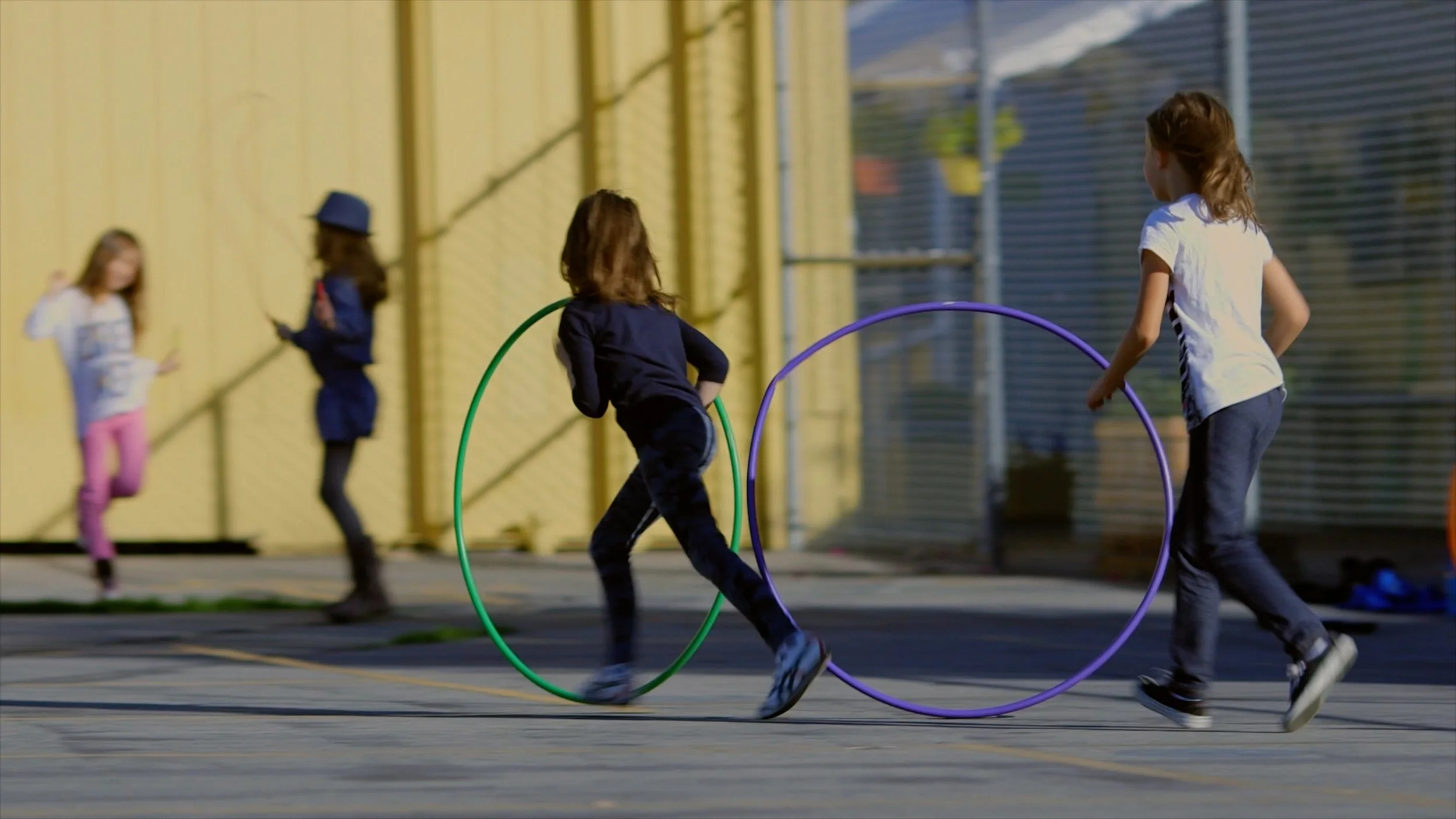
The school's philosophy emerges through the way the children describe their own experiences. Project-based learning becomes games, writing, architecture, science, and working together. Social-emotional learning becomes understanding differences, resolving disagreements, helping someone who falls, knowing when to walk away, and learning how to be part of a community.
Rather than asking the audience to understand an educational model in abstract terms, the students show what that model feels like from inside the classroom.
Making Room for Real Voices
Working with young children meant adapting the filmmaking process around them.
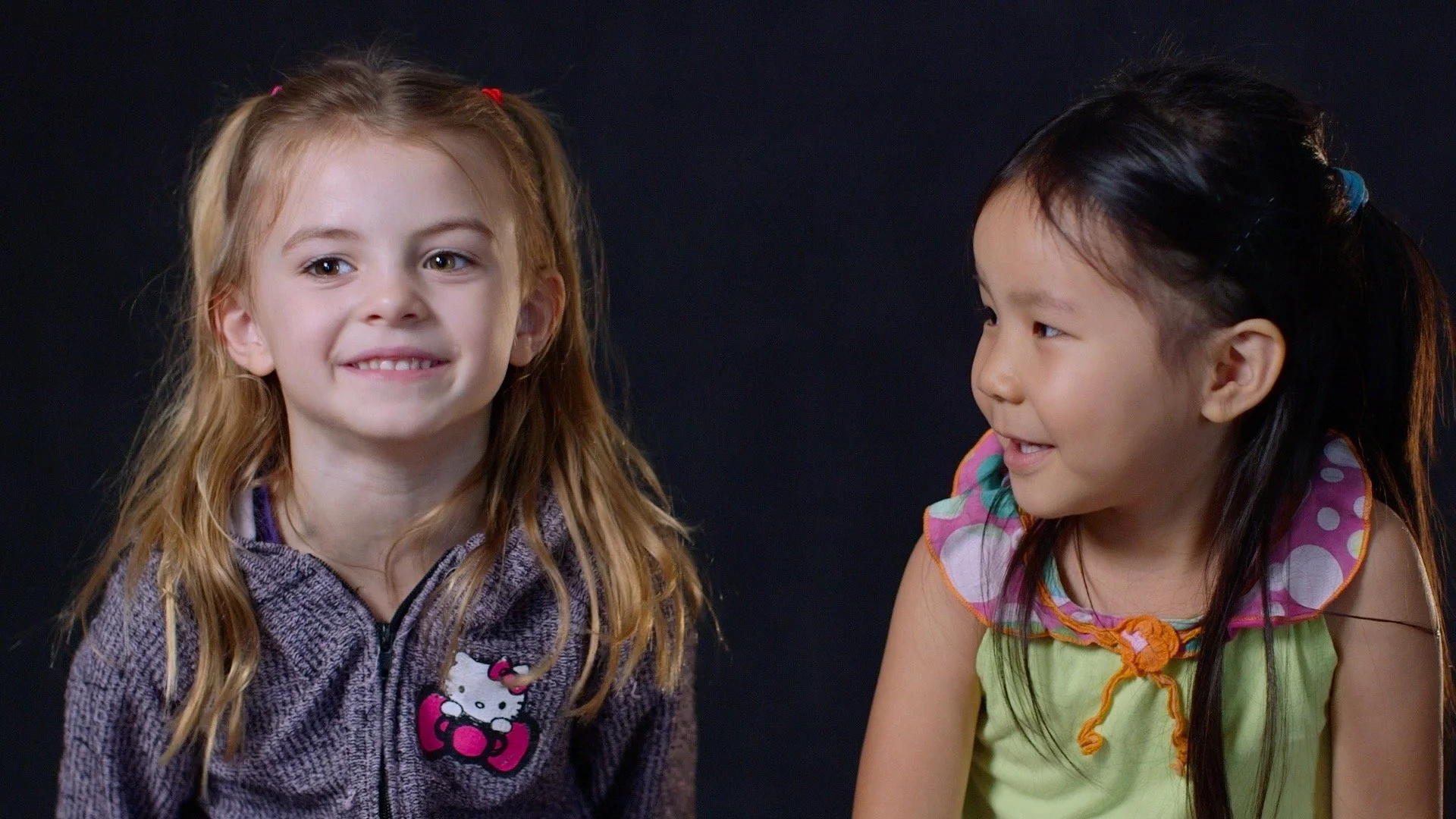
Older students were interviewed individually, while younger students were often paired with classmates so they could feel comfortable and respond naturally to one another. We also adapted who conducted the interview depending on the child and who they felt most comfortable with. Most were conducted by us, but for particularly young students, a teacher would sometimes step in.
The conversations were not scripted or coached. We worked from open questions and allowed the students' own language, humor, uncertainty, and enthusiasm to shape the film.
That spontaneity became an important part of its character. The children explain ideas in ways an adult never would, whether describing why being different is a good thing, how their classroom's “cool tools” help them resolve conflicts, or what being “Heart Smart” means in everyday life.
Inside the School
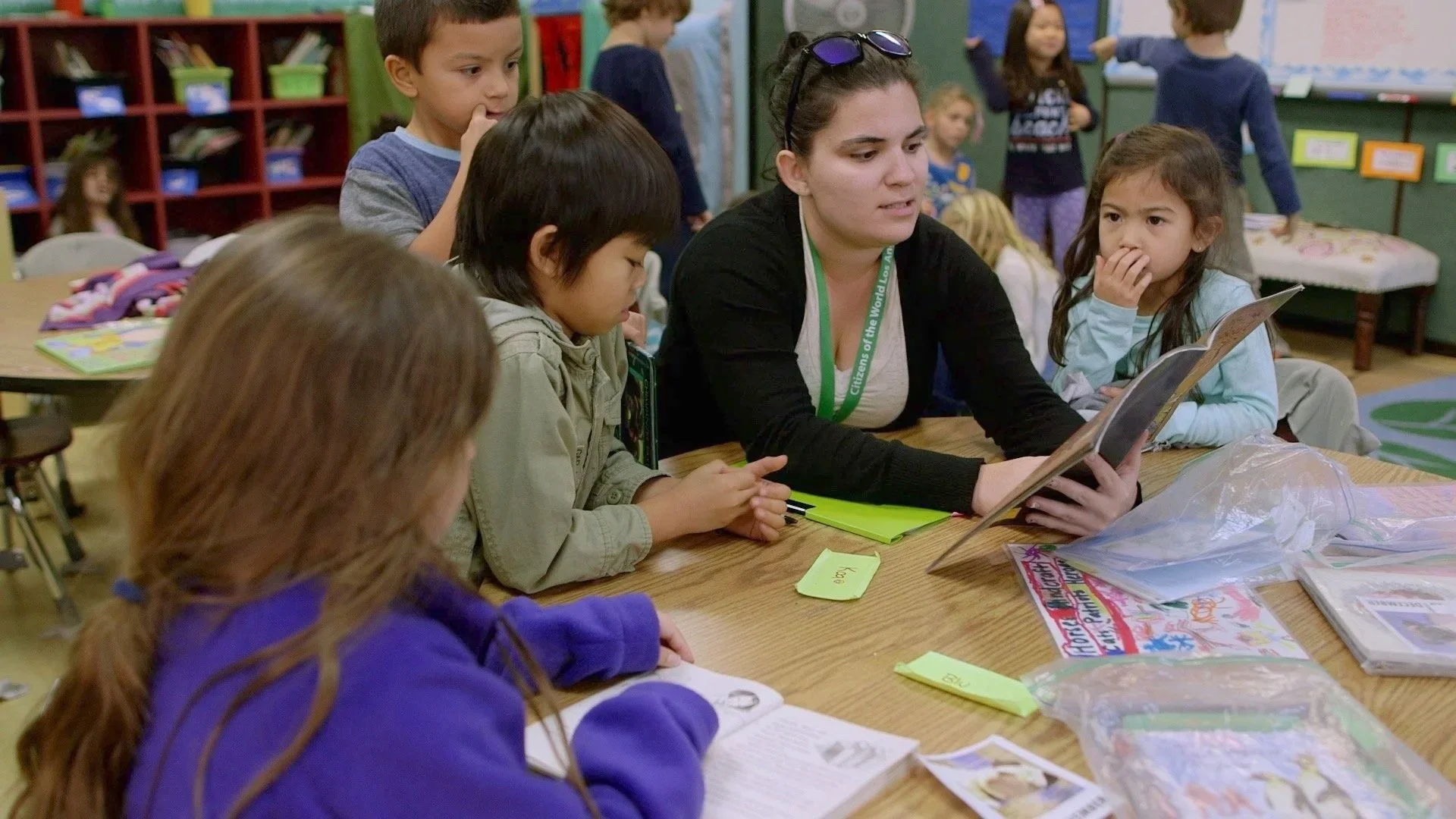
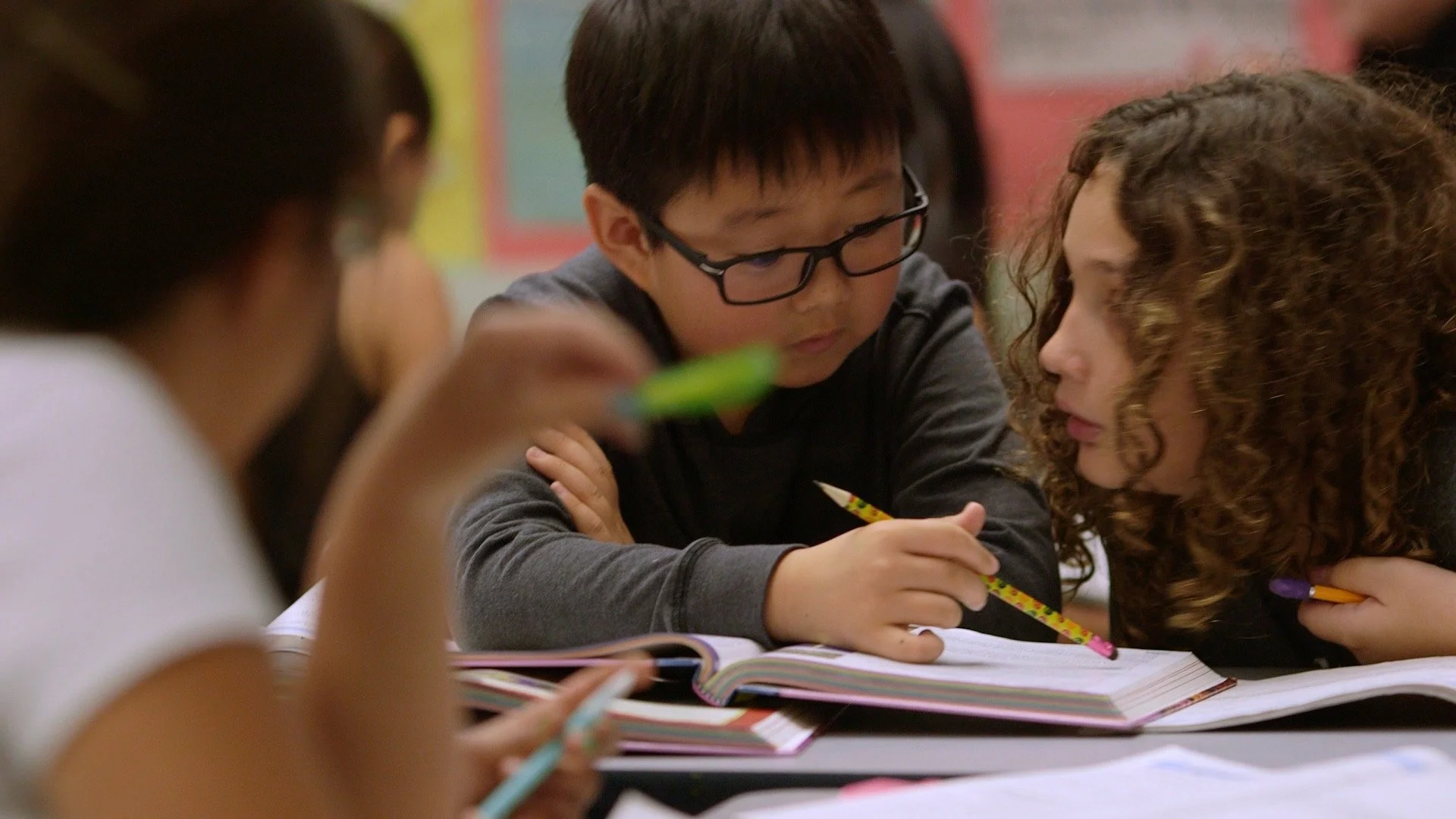
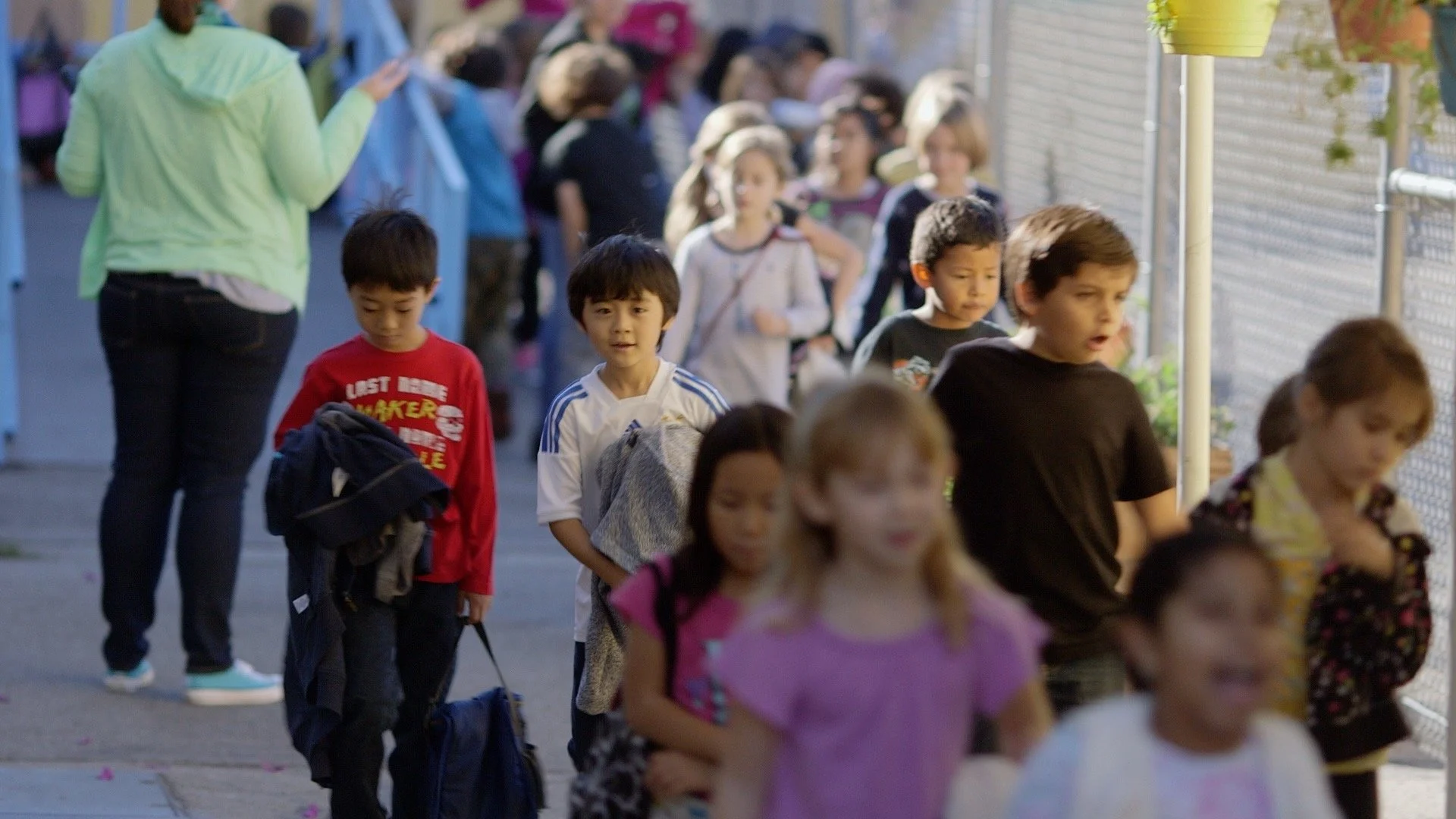
Over five days, we followed many of the same children from the interviews into their classrooms and activities, building the observational footage around their real school experience.
Working with small handheld cameras to be as unobtrusive as possible, we filmed lessons, projects, play, and classroom interactions as they unfolded. That continuity helped connect what the students told us in interviews with the world they were describing.
By the end of the film, individual observations about how children learn, relate to one another, and understand their differences grow into a broader idea of community, culminating in the students' own description of CWC as one group and one team.
The school continued using Heart Smart for years after its release, introducing new families and visitors to CWC through the voices of the students themselves.
“Fluid’s video is one of our most viewed videos to date. Visitors to our school often mention it. They were able to replicate our vision of the project just from hearing a description; it came to life.”
Read the full review on Clutch.